
Bondage for Beginners – A Practical Guide
Bondage for Beginners – A Practical Guide
Bondage has moved firmly into the mainstream, and for good reason. Giving up control – or taking it – adds a layer of anticipation and intensity that’s hard to replicate any other way. For people who’ve never tried it, the barrier is usually not lack of interest but not knowing where to start. This guide covers the basics: what to try first, what you actually need, and how to make sure the experience is good for both of you.
Start with Trust
Before anything else, bondage requires genuine trust between both partners. The person being restrained is placing themselves in a vulnerable position – that only works well when they feel completely safe with the person they’re with. This isn’t about being overly cautious; it’s just the reality of how bondage works. The more trust exists, the more both partners can relax into the experience and actually enjoy it.
Equally important is the mental side. Letting yourself be restrained – or taking control of someone else – is as much a decision of mind as body. Allowing yourself to let go is part of the experience, and it takes a conscious choice to surrender that control, even briefly.
Agree a Safe Word Before You Start
A safe word is non-negotiable. Agree on a word before you begin – something that doesn’t come up naturally in conversation (“red” is a common choice, or the first word that comes to mind when you think of something you want stopped entirely). When either partner uses it, everything stops immediately, no questions asked. This is what makes the dynamic feel safe enough to be genuinely freeing.
Some people also use a traffic light system: green means keep going, yellow means slow down or check in, red means stop completely. This gives more nuance than a single safe word and is worth considering if you want that range.
Begin with a Blindfold
A blindfold is the most accessible starting point. It doesn’t require any restraint, carries very little risk, and has an immediate and noticeable effect on sensation. Removing sight forces the other senses to work harder – touch, sound, and anticipation all become more intense when you can’t see what’s coming next.
You can improvise with a soft scarf or sleep mask, or invest in a purpose-made blindfold that blocks light properly. The gap at the bridge of the nose on improvised blindfolds often lets in light and breaks the effect – fitted blindfolds designed for the purpose solve this. Start with the blindfolded partner fully mobile, then introduce restraint later if both partners want to go further.
Restraints
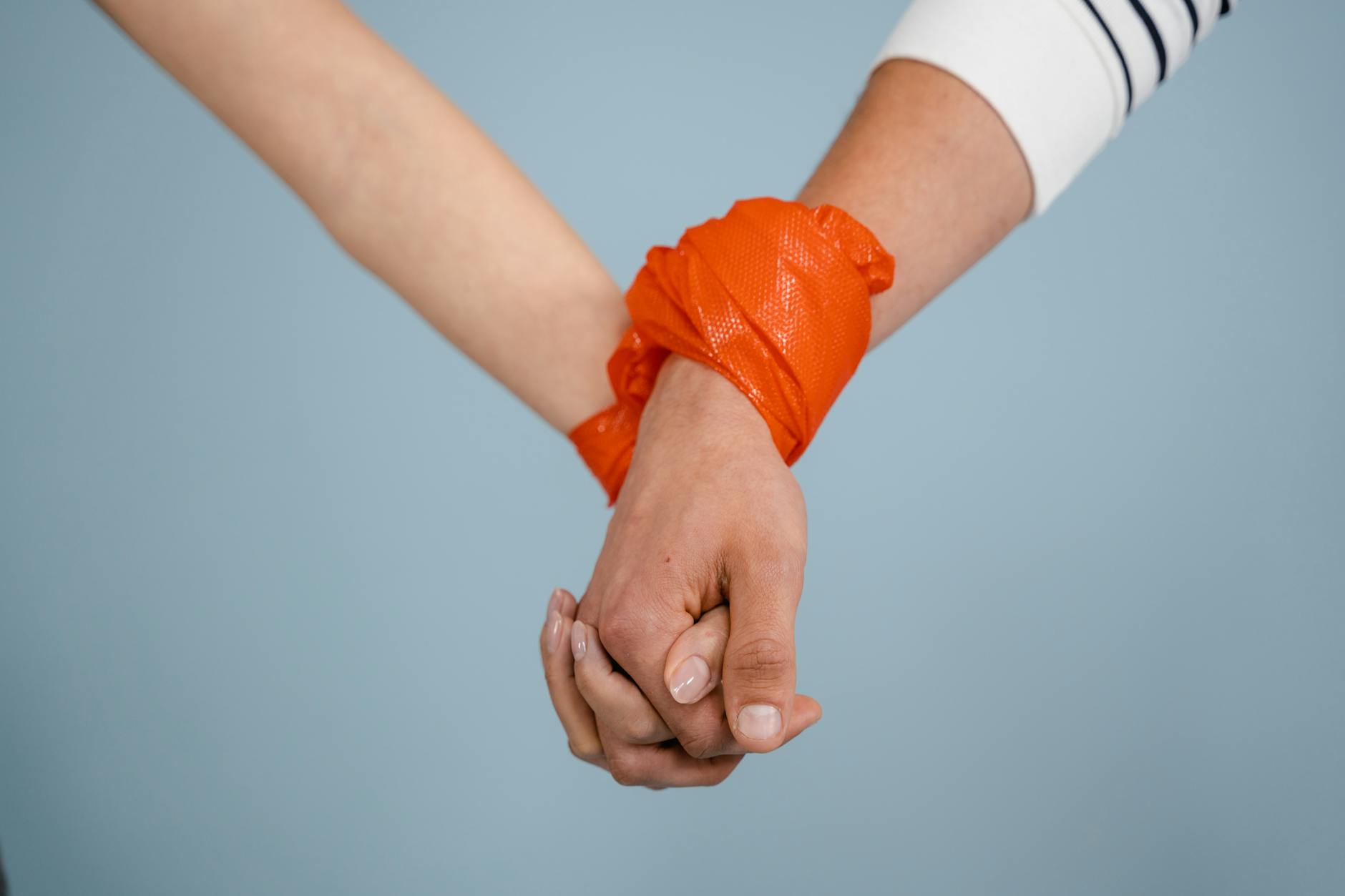
Restraining wrists to a headboard or bedpost is the most common first step beyond the blindfold. You can use a soft scarf or tie at home, or purpose-made restraints from any adult toy retailer. Purpose-made restraints are preferable once you know you enjoy the experience – they’re designed to avoid pressure points, release easily, and are more comfortable for longer sessions.
For beginners, look for restraints with Velcro or quick-release fastenings rather than buckles or locks. Soft suede, fabric, or faux fur-lined cuffs are comfortable options that don’t require experience to use safely. Avoid anything that cuts off circulation – you should always be able to fit two fingers between the restraint and the wrist.
If you want to start more slowly still, having the restrained partner simply sit on their hands or hold their arms above their head without being physically tied creates a psychological restraint that’s easy to break if either person feels uncomfortable.
What to Try First

A simple opening session might go like this: one partner wears a blindfold while the other uses touch alone – fingertips, lips, or a soft object like a feather or fabric – to build sensation gradually. The blindfolded partner doesn’t know where contact will come next, which tends to make each touch feel significantly more intense. Pause occasionally; the anticipation of waiting can be as effective as the touch itself.
Once both partners are comfortable with this, adding wrist restraints introduces another layer. The restrained partner can still respond vocally and can use a safe word at any point. The restraining partner is responsible for reading those signals and checking in when in doubt.
Choosing Bondage Toys
You don’t need to spend a lot to start. Improvised items from around the house work fine for an initial experiment. If you find you both enjoy the experience and want to invest in purpose-made equipment, the range available is broad.
Suede or fabric wrist cuffs are the most popular starter choice. They’re soft, comfortable, and available at a range of price points. Velcro closure models are the easiest to use and safest for beginners – either partner can release them quickly if needed. Silk or satin wrist ties are another option that works well at an entry level.
Vibrators and other toys integrate naturally with bondage play, particularly for the restrained partner who has no ability to control what happens. A small bullet vibrator or wand used at the discretion of the restraining partner can be particularly effective in this context.
Setting the Mood
Bondage play benefits from a bit of atmosphere, particularly the first few times. Low lighting – candles work well – removes the clinical feel of a brightly lit room and makes the experience more sensory and immersive. If one partner is going to be blindfolded, turn the lights down for both of you: it heightens the effect for the person who can see as well as the one who can’t.
Trying Both Sides
If you’re not sure whether you prefer to be in control or to give it up, try both. Many people find that what they expected to prefer isn’t quite right once they’ve experienced the other side. The experience of restraining a partner and being fully responsible for their pleasure is genuinely different to being the one restrained. Neither is inherently better – preferences tend to emerge quickly once you’ve tried each.
A Note on Safety
Beyond safe words and easy-release restraints, a few practical points: never leave a restrained partner alone, even briefly. Never restrain someone’s neck. Check in verbally during a session if anything feels off. If someone becomes distressed, release them immediately and don’t try to continue. And always have scissors or a safety cutter within reach if you’re using knots – not because problems are likely, but because they should never be impossible to solve quickly.