The G-Spot Guide – Male and Female, Where It Is and How to Stimulate It
The G-Spot Guide – Male and Female, Where It Is and How to Stimulate It
The G-spot is talked about more than it’s understood. Both male and female anatomy have a G-spot equivalent, and both respond to direct stimulation in ways that tend to produce more intense orgasm than surface-level stimulation alone. This guide covers where each is, how to reach it, and what toys are designed for the purpose.
The Female G-Spot
The female G-spot is located on the front wall of the vagina – the wall facing upward when lying on your back – roughly one and a half to three inches inside the vaginal opening. It’s a small area that tends to feel slightly ridged or textured compared to the surrounding tissue, and it may swell during arousal, making it easier to locate.
Direct pressure on the G-spot tends to produce a sensation distinct from clitoral stimulation – for many people it’s deeper and fuller, and it can lead to a different type of orgasm or intensify clitoral orgasm significantly when both are stimulated simultaneously. Some people find G-spot stimulation initially produces a sensation similar to needing to urinate, particularly if they haven’t experienced it before. This typically passes with continued stimulation.
G-spot stimulation can be achieved manually with fingers, using a “come hither” curling motion against the front wall of the vagina; with a partner’s penis in positions that angle the tip toward the front wall (typically from behind, or with hips raised); or with toys specifically designed for the purpose.
G-Spot Vibrators and Toys
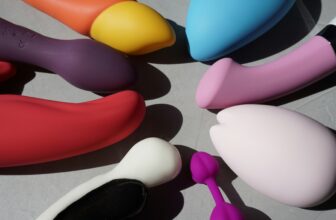
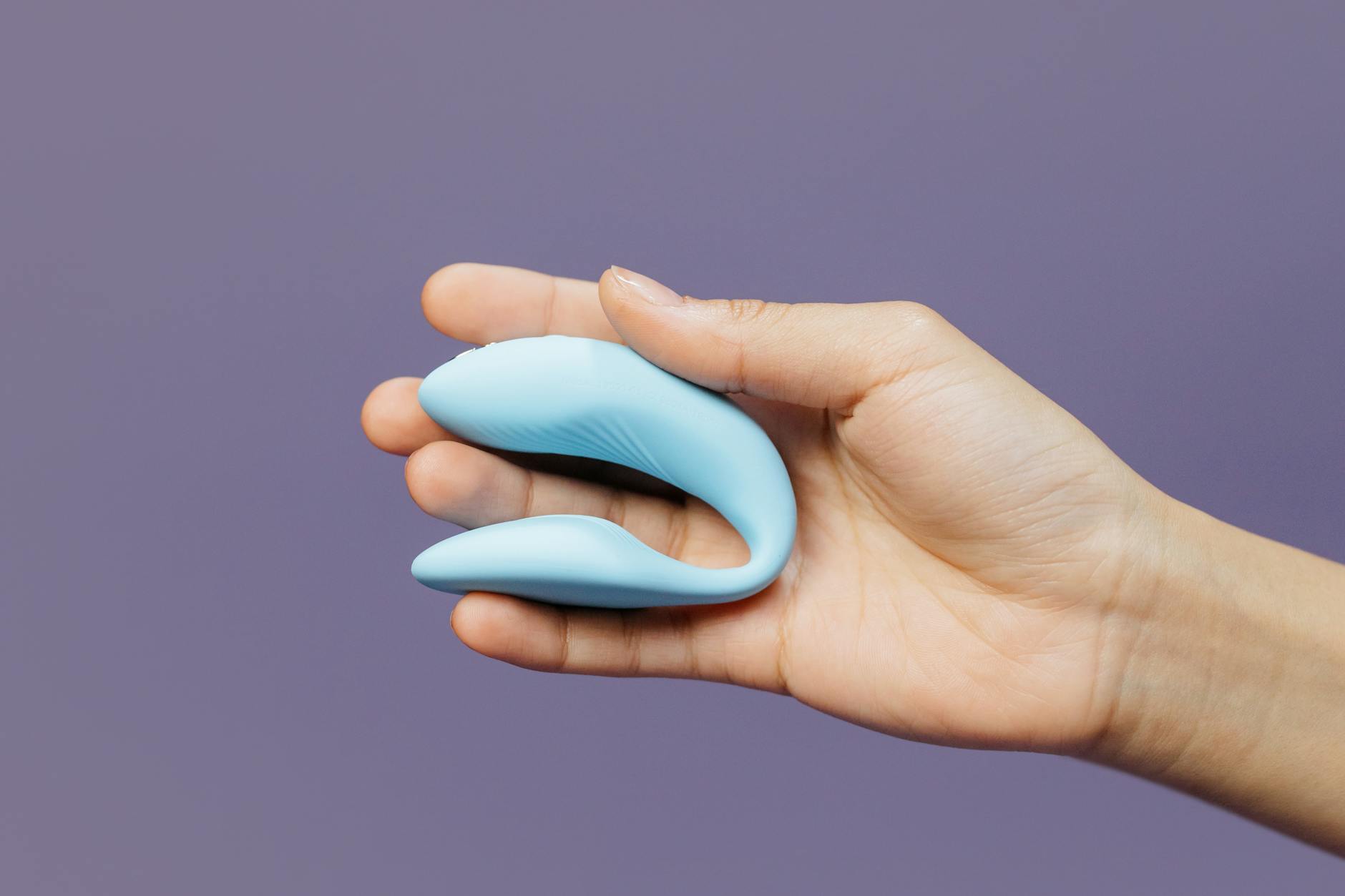
G-spot vibrators have an angled or curved tip that applies targeted pressure to the front vaginal wall rather than simply vibrating along the length of the toy. The curve is the key design element – a straight vibrator will miss the target for most anatomy. The toy is used with a gentle rocking or pressing motion rather than a straightforward in-and-out thrusting motion.
Rabbit vibrators also incorporate G-spot targeting in most designs, with a curved internal shaft angled upward combined with external clitoral stimulation. For people who find orgasm from internal stimulation difficult, the addition of clitoral vibration in a rabbit often makes the difference.
The Male G-Spot – The Prostate
The prostate gland is the male equivalent of the G-spot, located inside the rectum a few inches from the anal opening, on the front wall facing the navel. It can be felt as a walnut-sized gland that produces a distinctive response when pressure is applied to it – some men find it produces orgasm without any penile stimulation at all; others find it intensifies orgasm significantly when combined with it.
The prostate can be stimulated manually through the rectum using a finger, a dedicated prostate massager, or a curved anal vibrator. Partners can also feel for it through perineal pressure – pressing upward from the outside between the anus and testicles can provide indirect prostate stimulation.
Prostate Massagers
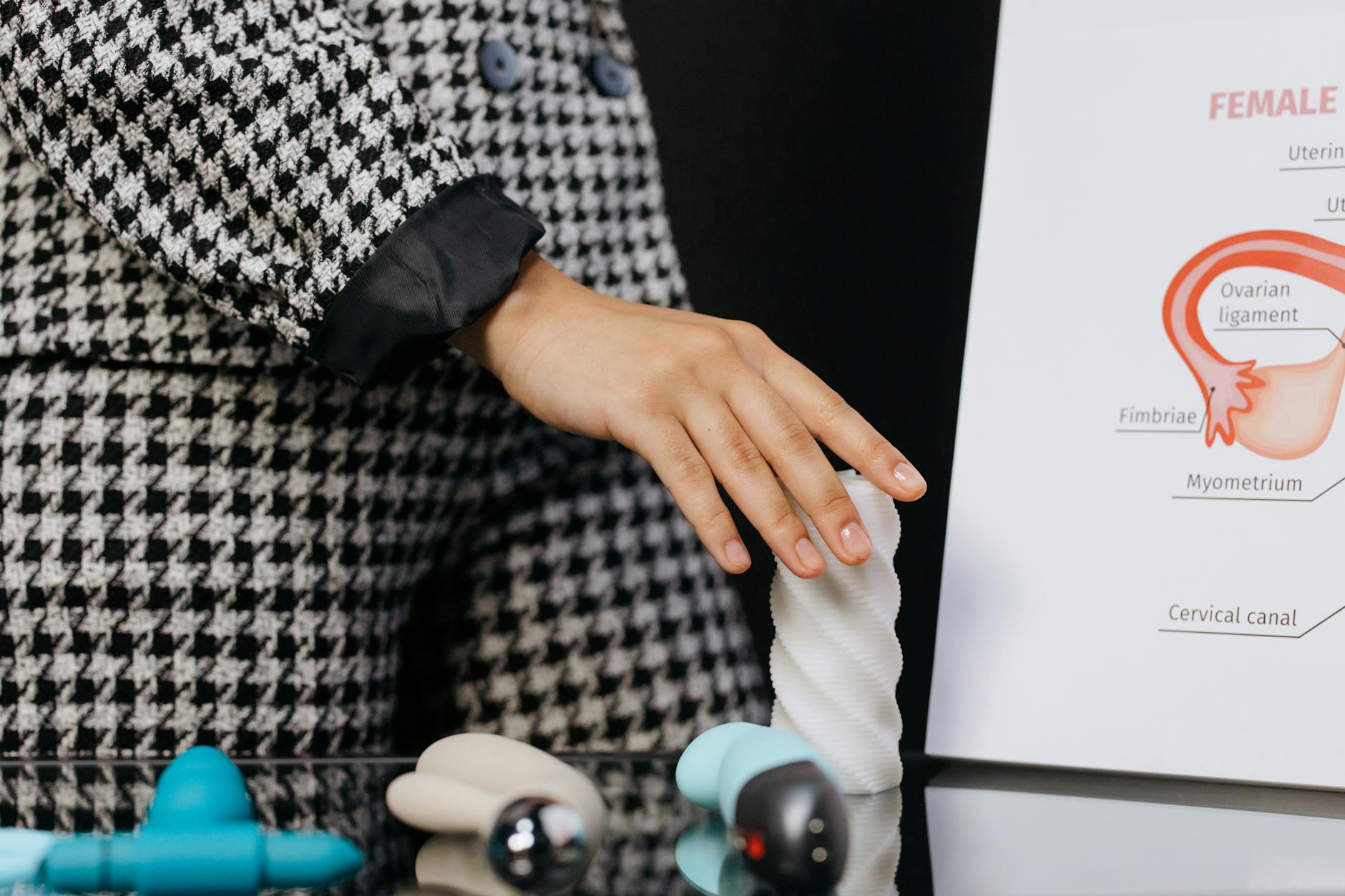
Prostate massagers are specifically designed for this purpose. They’re curved toys with an angled tip that locates the prostate more reliably than a straight toy would, combined with an external arm that sits against the perineum or outside the anus. Most are motorised with vibration settings that can be adjusted to preference.
As with all anal toys, a flared base is non-negotiable for safety. Generous lubricant before and during use is essential. The toy should be inserted with the curve oriented toward the front wall of the rectum – pointing toward the navel – for effective prostate contact.
What to Try First
For female G-spot stimulation, a small curved vibrator with an angled tip is the most direct starting point. For male prostate stimulation, a small prostate massager with an adjustable vibration setting is the practical first option. In both cases, size matters at the start: begin smaller than you think you need to, particularly with anal toys, and allow the body time to adjust.