
One Night Stand Safety – Personal and Sexual Health Advice

One Night Stand Safety – Personal and Sexual Health Advice
Casual, one-off sexual encounters are a normal part of many people’s lives, and there’s nothing inherently wrong with them. The thrill of something new, with someone you’ve only just met, is a specific experience that many people actively seek out. Done thoughtfully, it can be entirely safe and satisfying. Done carelessly, the consequences can be serious. This guide is the practical version.
Personal Safety First
Tell someone where you’re going. A quick message to a friend – name, location, rough timescale – takes thirty seconds and provides a basic safety net if something goes wrong. This applies regardless of gender. Meeting at a public venue first before going anywhere more private is sensible, particularly when meeting someone from an app rather than through a social connection.
On whose home you go to: there’s an argument for using your own home, which puts you in familiar surroundings with resources available if anything goes wrong. There’s an equally good argument for using the other person’s place, which means you can leave whenever you want without needing to persuade anyone to leave. Either is fine; the important thing is knowing in advance what your exit looks like and trusting your instincts if something feels off.
Going to a hotel is a clean alternative to either – neutral ground, no territorial complications, and a clear framework for ending the encounter when it’s done.
Sexual Health
STIs are the primary health risk in casual sex, and they’re not rare. Many common STIs – chlamydia, gonorrhoea, herpes – are often asymptomatic, meaning carriers may be entirely unaware they have them. You cannot determine someone’s sexual health status from appearance or confidence.
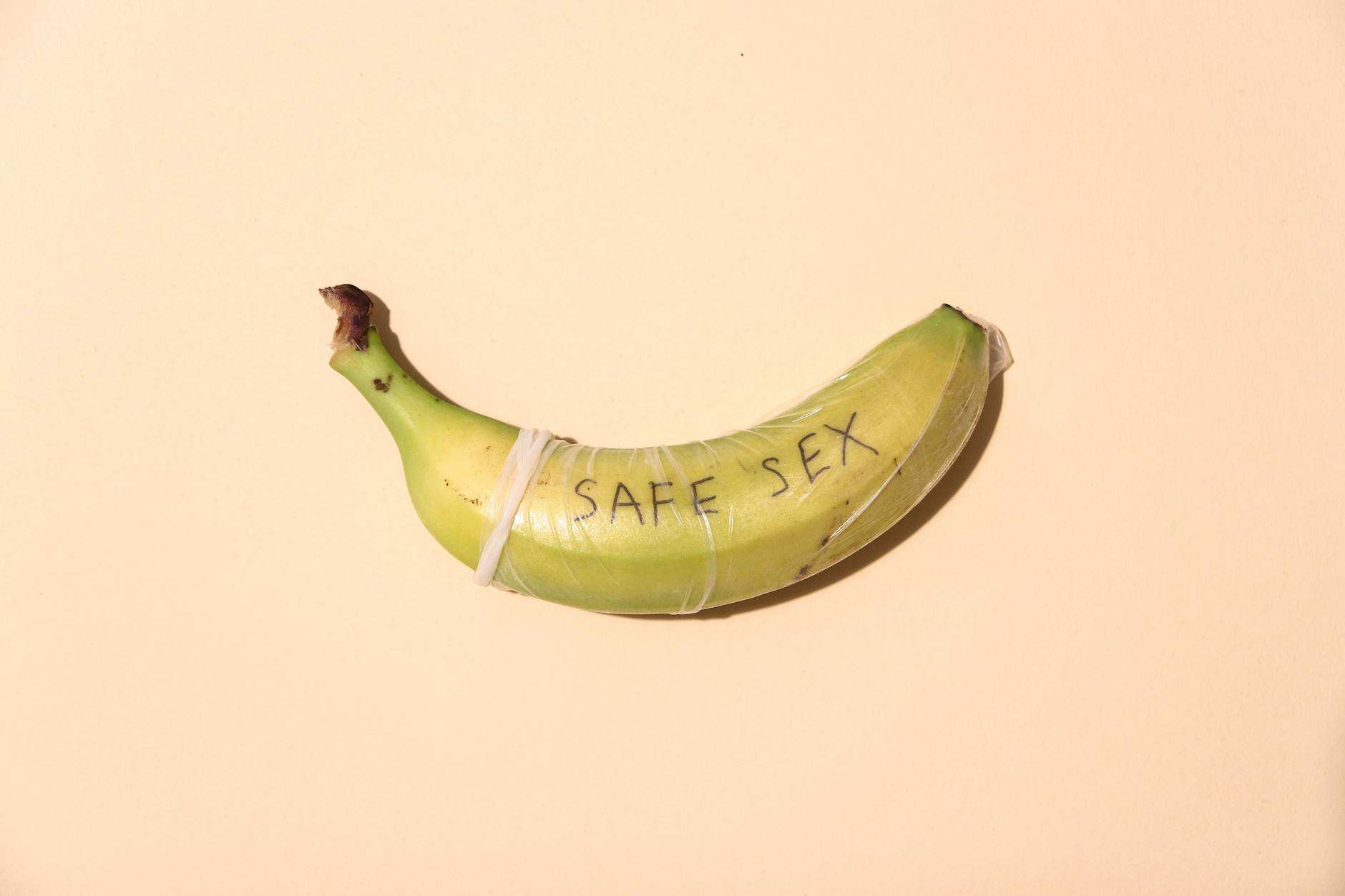
Consistent use of condoms – male or female – is the most effective protection available outside of a tested, established relationship. This means using them for penetrative sex regardless of other contraception in use. Condoms also protect against pregnancy, though they’re not the only contraceptive method – they’re simply the one that doubles as STI protection.
It’s worth having condoms available yourself rather than relying on the other person. This applies regardless of whether you’re the person expected to wear one – carrying protection is sensible precaution, not an unusual expectation.
Alcohol and Consent
Alcohol is involved in a significant proportion of casual sexual encounters, which requires being honest with yourself about the line between loosened inhibitions and impaired judgement. Sex should be a decision you’re making clearly, not something that seemed like a good idea and looks different in the morning. If you’re genuinely not sure whether you want to do something, that’s an answer.
Consent requires that both people are capable of giving it and are actively doing so. If either person is too intoxicated to make clear decisions, that’s not a situation in which to proceed.
Testing Afterwards
If you’re sexually active with more than one partner, regular STI testing is a normal and responsible part of a healthy sex life. Most STIs are easily treated when caught early; most cause significantly more damage when they go undetected for months. Free testing is available through sexual health clinics and, in many areas, via postal testing kits. There’s no reason not to use these services regularly.
The Straightforward Summary
Casual sex is safe when approached with the same level of practical thought you’d apply to any other decision with physical consequences. Tell someone where you are, trust your instincts, use condoms, and get tested periodically. None of this reduces the experience – it makes it something you can do without the anxiety of unmanaged risk sitting alongside it.