Lubricants Guide – Water-Based, Silicone, and Everything Else
Lubricants Guide – Water-Based, Silicone, and Everything Else
Lubricant is one of the most useful and most underused items in the average person’s sex life. It makes penetration more comfortable, reduces friction during any kind of sex or toy use, and – in its specialist forms – can add sensation that wouldn’t otherwise be available. Here’s what the main types do and when to use each.
Why Lubricant Matters
Natural lubrication varies between people and changes with hormones, medication, stress, and arousal state. Even when arousal is high, natural lubrication may not be sufficient for comfortable penetration, particularly with sex toys, during anal sex, or in a longer session. Lubricant solves this directly, and using it is not a sign of insufficient arousal – it’s a practical tool that most people would benefit from using more often.
For anal sex and anal toy use specifically, lubricant isn’t optional. The anus produces no natural lubrication, and attempting insertion without adequate lubricant is uncomfortable and risks tissue damage.
Water-Based Lubricant
Water-based lubricant is the most versatile choice and the safest default. It’s compatible with all condoms (latex and non-latex) and with all sex toy materials including silicone, glass, ABS plastic, and rubber. It rinses off easily with water and leaves no staining on sheets or clothing. It’s safe for internal use and gentle on sensitive skin.
The main practical drawback is that it dries out faster than silicone-based lubricant, particularly during extended sessions. It can be reactivated with a small amount of water or simply reapplied.
Water-based lubricant is the right choice for use with silicone sex toys, for vaginal use, and for anyone with sensitive skin or allergies.
Silicone-Based Lubricant
Silicone lubricant is longer-lasting than water-based and doesn’t dry out during use. It’s thicker and more persistent, which makes it particularly good for anal sex and anal toy use where a lubricant that stays in place matters. It’s waterproof – it doesn’t wash away in the bath or shower, which makes it practical for water-based play.
The critical caveat: silicone lubricant is not compatible with silicone sex toys. The lubricant can interact with and degrade the surface of a silicone toy over time. If your toy is silicone, use water-based lubricant only. For toys made of glass, stainless steel, or hard plastic, silicone lubricant is fine.
Silicone lubricant is compatible with latex and polyurethane condoms.
Oil-Based Lubricant
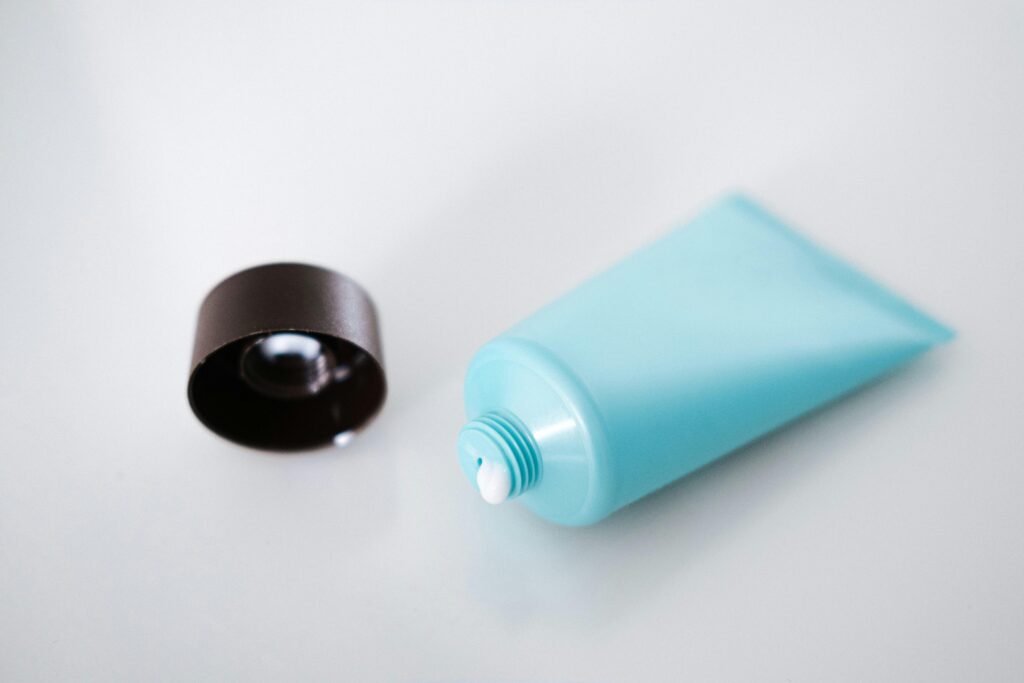
Oil-based lubricant is long-lasting and feels luxurious, but it has significant compatibility issues. It degrades latex condoms, making them unreliable as a barrier. It’s difficult to wash off completely and can disrupt vaginal bacterial balance, which can contribute to bacterial vaginosis in people prone to it. Natural oils – coconut oil, olive oil – are sometimes used as lubricants, but carry the same condom-compatibility issue.
Oil-based lubricant has a specific use case: solo external use or partnered play without condoms where STI risk and pregnancy are not factors. Outside of those specific circumstances, water or silicone-based options are safer choices.
Specialist Lubricants
Beyond the three main types, there’s a category of lubricants with added properties designed to produce specific sensations.
Warming lubricants contain ingredients that create a gentle heat sensation on contact with skin. Cooling lubricants produce a tingling or cooling effect. Both can be effective for foreplay and for heightening sensation during sex. They’re worth trying for anyone who’s curious, though sensitivity to warming agents varies between people – what feels pleasant for one person may feel more intense than expected for another.
Flavoured lubricants are designed specifically for oral sex. They’re water-based and safe for internal use, though the flavourings mean they’re not intended for sustained vaginal use where the sugar content can potentially disrupt natural bacterial balance. For oral play they work exactly as intended.
Anal Lubricants
Anal lubricants are typically silicone-based or a thicker water-based formula designed to stay in place during anal sex or toy use. The key property is persistence – anal lubricant should maintain coverage without needing constant reapplication, which a standard thin water-based lubricant may not do.
Anal lubricants should not contain numbing agents. Products labelled as “relaxing” or “desensitising” anal lubricants reduce sensation precisely when you need it most – pain during anal sex is feedback that something needs adjusting. Numbing the area removes that feedback and makes injury more likely.
The Quick Reference
Water-based: safe with everything, best for silicone toys, best for vaginal use, dries faster. Silicone-based: long-lasting, best for anal use, not for silicone toys. Oil-based: long-lasting but not condom-compatible. When in doubt, water-based is the safest choice.